
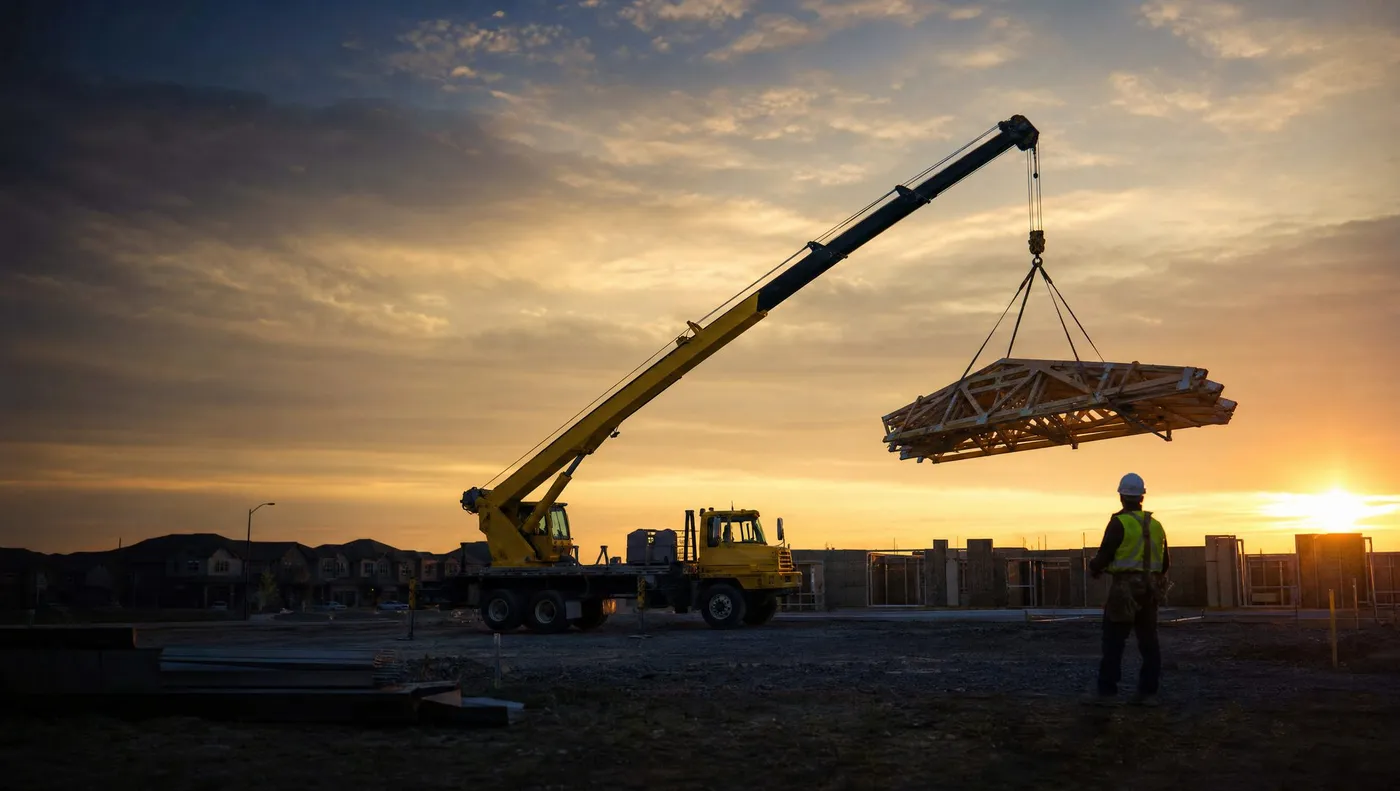
Crane Operator For Rent
Plan the load, the ground and the signals before a crane operator for rent arrives on site.
Crane Operator For Rent
Request your quote
Add your site address, the load and the pick height so we can plan the right crane.
Rather talk it through? (226) 400-2111
A crane operator for rent runs the crane that lifts a specific load and sets it where the job needs it. This page covers what to settle before lift day, what a visit covers, what changes the price and how the work is done on site. Use it to plan the lift before you ask a supplier for a quote.
What you are after
A load has to be lifted and placed safely, and the lift needs a plan before the crane arrives.
Before you book
Crane Operator For Rent: What To Settle Before Lift Day
A crane operator for rent runs the machine that lifts a specific load and sets it where the job needs it. Most lifts go smoothly when the details are settled before the crane moves. The load weight, the lift height, the reach to the landing spot and the route into the site decide which machine suits the job. Overhead hazards and soft ground are two surprises that often stop a lift. A short checklist agreed between the site lead, the supplier of the load and the operator keeps everyone working from the same plan.
Review the lift plan
Walk through the load path, the rigging and the site access before setup begins.
Set up on firm ground
Position the crane, extend the outriggers and level the machine.
Test the lift
Raise the load slightly to confirm balance and rigging before the full lift.
The visit
What A Crane Operator Visit Covers
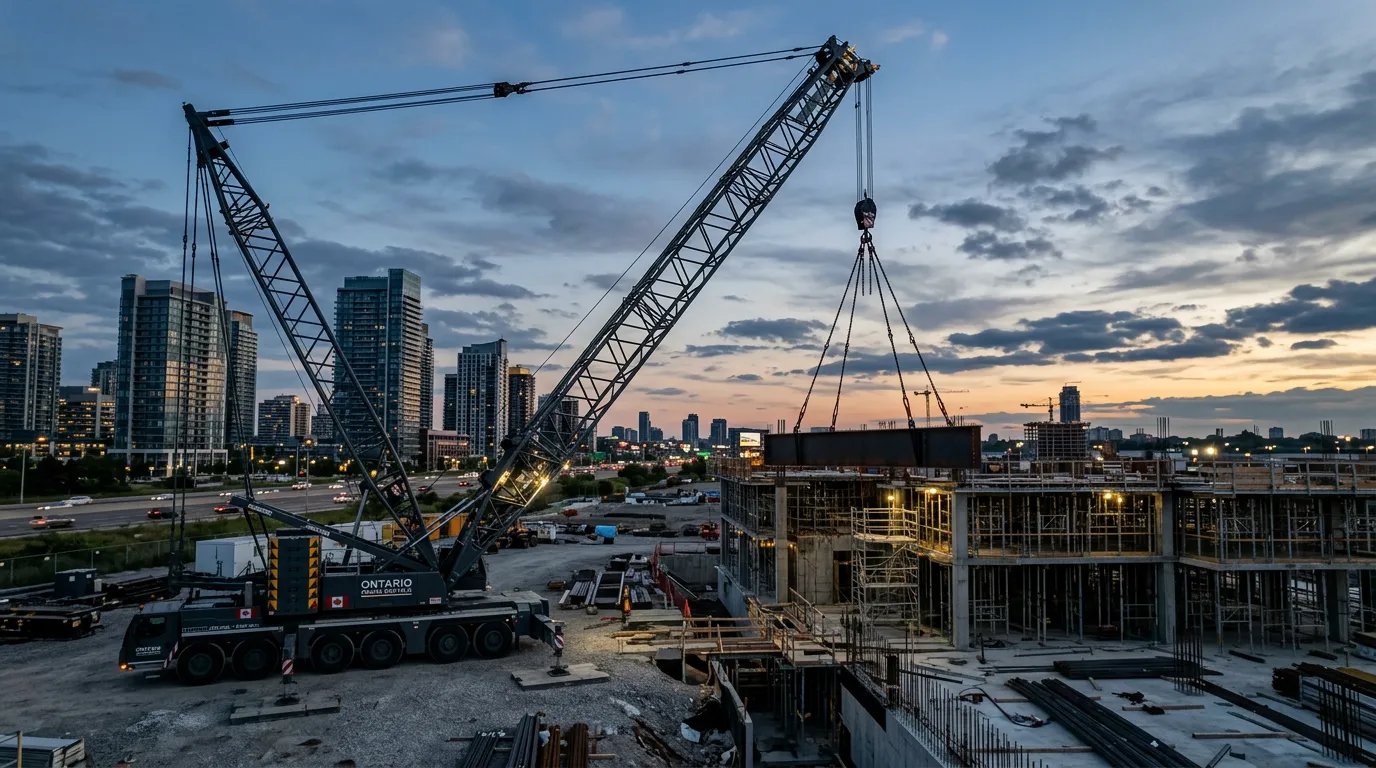
A crane lift visit is built around the operator's time on site, the crane setup and the lift itself. Setup comes first, when the operator positions the machine, extends the outriggers and levels the crane before any load is picked. The lift follows the plan agreed with the site lead, with the operator watching the signal person and the load at all times. When the load is set, the operator secures the boom and the machine for travel or the next pick. Extra items such as rigging gear, additional crew, crane mats or traffic control change the scope of a visit, so each one should be named when the lift is planned. A visit with several picks, such as rooftop equipment or roof trusses, needs a clear order of lifts and landing spots agreed before the crane arrives. The length of the booking should match the number of picks and the setup time, not just the lift itself. Anyone planning a visit should ask for the scope in writing and confirm every item they expect to see on site.
Pricing
What Changes The Price
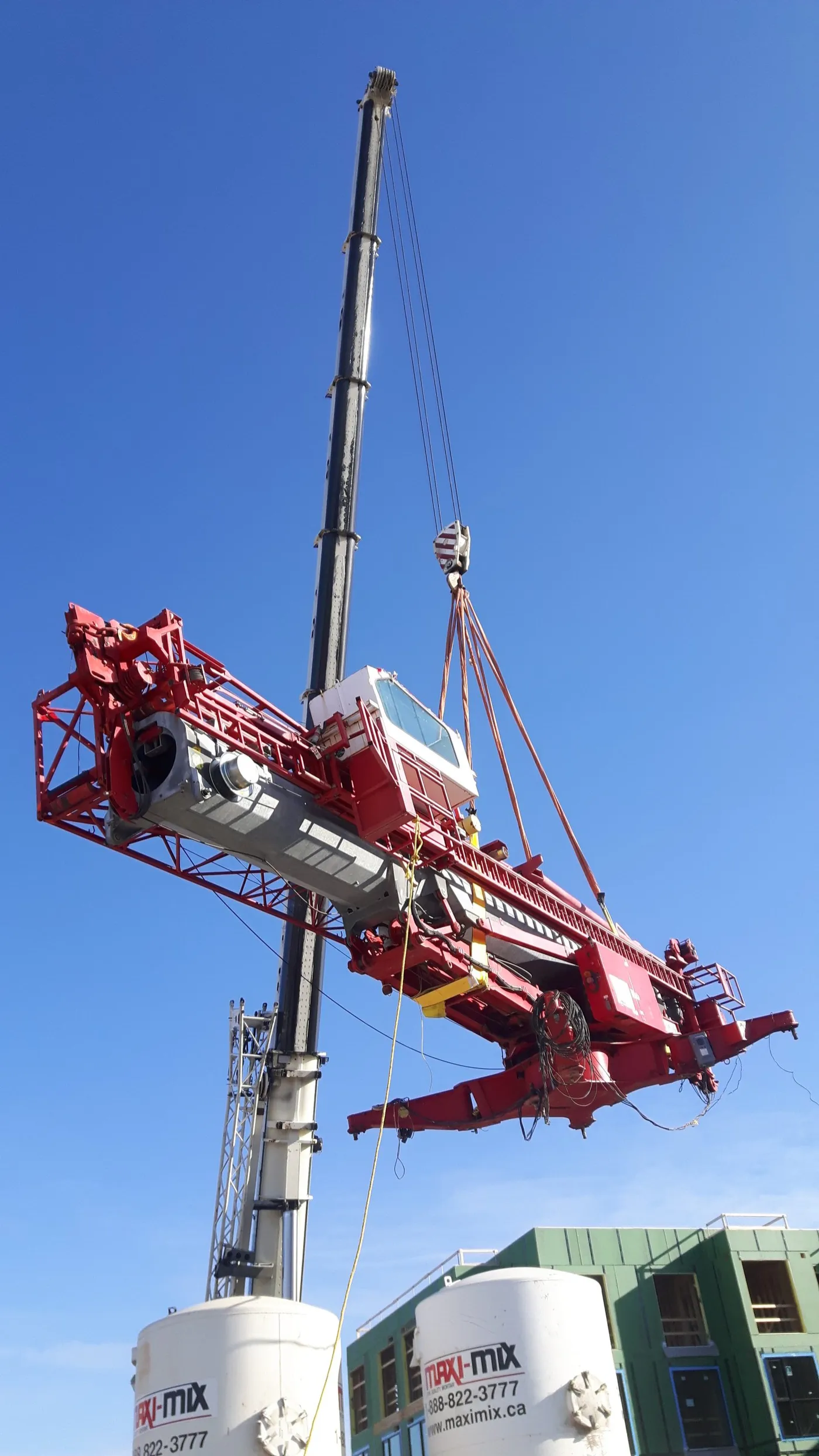
Several factors move the price of any crane lift, whichever company is hired. Crane size and capacity matter first, because a larger machine takes more to move and run. Load weight and the reach to the landing spot decide which crane is suitable, and a longer reach lowers what a given crane can safely lift. Travel distance to the site and the time needed to set up and pack up add to the booking. A longer booking or several picks in one visit extend the time on site. Rigging gear, extra crew and ground protection such as crane mats widen the scope of the work. Tight access, soft ground or overhead lines can slow setup or call for a different machine. High wind can delay or reschedule a lift, since it limits what a crane can safely do. Sharing the load weight, lift height, reach, site address and number of picks lets a supplier scope the work properly.
What moves the rate
- Crane size and capacity
- Load weight and reach
- Travel distance to the site
- Length of the booking and number of picks
- Rigging gear, extra crew and ground protection
- Site access and ground conditions
On the day
How The Work Is Done On Site
A crane lift on site follows a set order. The operator first walks the area and checks the ground, the overhead space and the landing spot. The crane is then positioned, the outriggers are extended onto mats or firm ground and the machine is levelled. Rigging is attached at the lift points and checked before the load leaves the ground. A short test lift raises the load slightly so balance and rigging can be confirmed. The full lift follows, with the operator taking directions from one signal person and stopping if anyone calls a halt. When the load is set and released, the rigging is removed and the boom is stowed. If more picks are planned, the crane is reset for the next one. Keeping the work area clear of people not involved in the lift protects the crew and the load throughout. One signal person with a clear view and agreed hand or radio signals keeps communication simple.
Review the lift plan
Walk through the load path, the rigging and the site access before setup begins.
Set up on firm ground
Position the crane, extend the outriggers and level the machine.
Test the lift
Raise the load slightly to confirm balance and rigging before the full lift.
Planned before the job
Every lift is pre-planned before the job starts.
Not tied up by disruptions
Oxford Crane is a non-union operation, so equipment and operators are not tied up by labour disruptions.
Equipment that is checked
Equipment is inspected daily by the hoisting engineers and annually by independent professional engineers.
A clean safety record
Oxford Crane has a zero lost-time safety record.
A look at your site first
We evaluate the job on site at no charge and pick the most economical, timely and safe machine.
Answered around the clock
We take calls and dispatch day and night, emergency service included.
Booked your way
Rentals are available daily, weekly and monthly, with your own certified operators or with a certified hoisting engineer.
Service areas
Job sites across Ontario.
Share the site address so access and setup space can be checked before the lift.
Questions
Questions People Ask First
A crane operator for rent sets up the crane, runs the controls and places the load according to an agreed lift plan. Good results depend on a known load weight, firm ground, clear overhead space and one signal person, so settle those details before the crane arrives and before a quote is requested.
What does a crane operator do on lift day?
A crane operator sets up the crane, runs the controls and moves the load according to the lift plan. The operator watches the signal person, stops the lift if conditions change and secures the machine afterwards. The load weight, rigging points and landing spot should be agreed with the site lead beforehand.
Why does a crane lift need a signal person?
A signal person gives the operator clear directions when the operator cannot see the load or the landing spot. One person should give signals so instructions never conflict. Hand signals or radios are agreed before the lift starts, and the operator should stop the lift if a signal is unclear or anyone calls a halt.
What ground conditions matter for crane setup?
A crane needs firm, level ground under every outrigger because the weight concentrates on small pads. Soft soil, fill, buried services and slopes can let a crane shift. Crane mats spread the load over a wider area, and the ground should be checked before the crane is positioned, not after the boom is raised.
Why do overhead power lines matter for a crane lift?
Overhead power lines are a serious hazard because a boom, cable or load can reach them even when the crane sits well away. Lines should be located before the crane is set up, and the lift plan should keep the machine and load clear of them. If lines cannot be avoided, the utility should be asked for advice before work begins.
What details should I have ready before asking about a crane operator?
Have the load weight, the lift height, the distance from the crane to the landing spot, the site address and the number of picks ready. Photos of the access route and the setup area help too. Knowing the preferred date and how long the work is likely to take lets a supplier judge which machine suits the lift.
Tell Us the Lift and Get a Matched Crane Quote
Share the load, the height and the site access, and we will come back with the crane that fits.