
Crane operator for hire
Know the load, the ground and the lift path before you book an operator.
Crane operator for hire
Request your quote
Add your site address, the load and the pick height so we can plan the right crane.
Rather talk it through? (226) 400-2111
A crane operator for hire runs the crane within its rated limits and follows a lift plan agreed before work starts. The operator takes signals from one person on site and stops the lift if conditions change. This page explains what to confirm before booking, how a lift is run and what shapes the price.
What you are after
You need a trained operator to run a crane safely and keep the lift on schedule.
Before you book
Booking a crane operator for hire: what to confirm
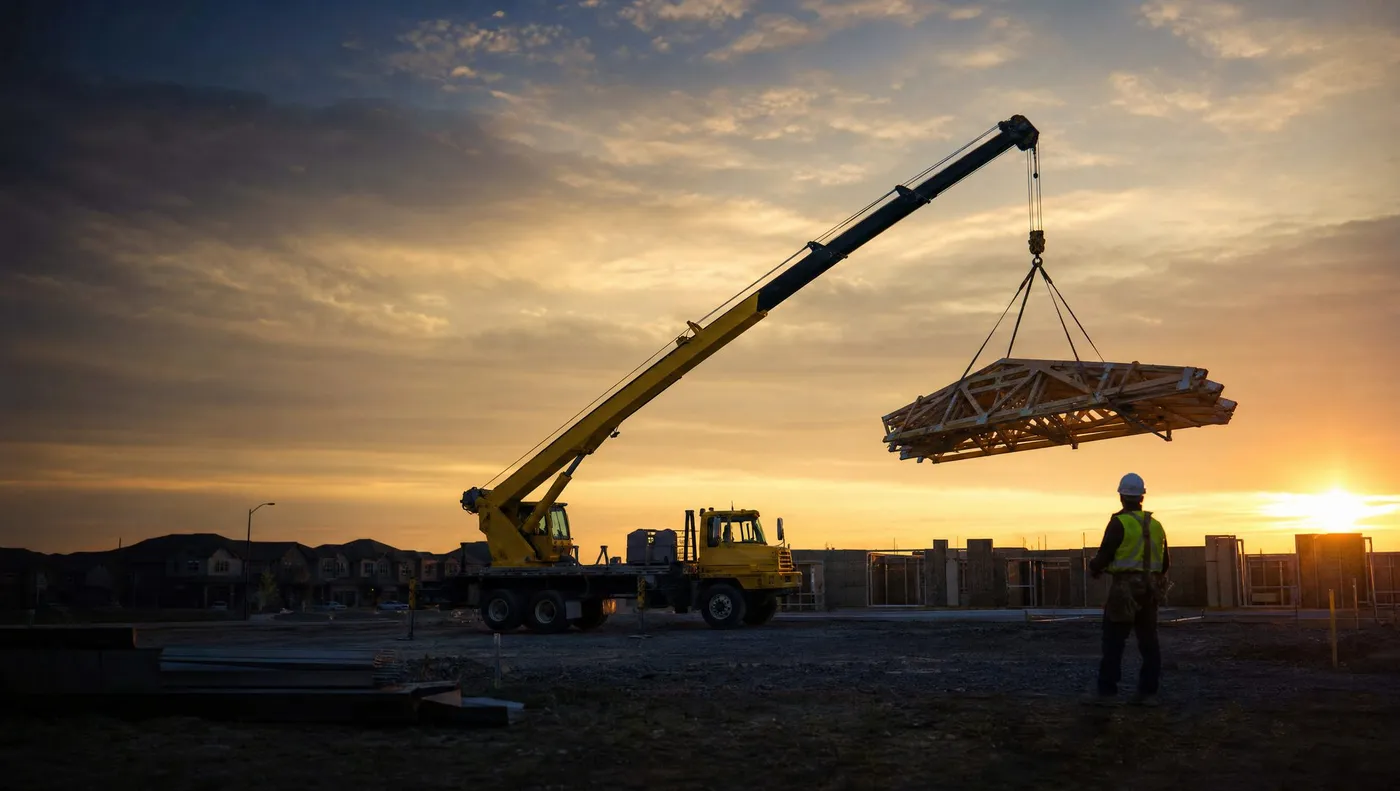
Booking a crane operator for hire starts with the lift, not the machine. The operator runs the crane within its rated limits, follows a lift plan and responds to signals from the person directing the load. Before anyone books, it helps to know the weight and size of the item, how high and how far it must travel, and where the crane can stand. Those details let the operator judge whether a lift is realistic and which crane suits it. Ground conditions matter as much as load weight, because a crane on soft or uneven ground can become unstable. Overhead hazards such as power lines and tree limbs shape where the crane can be placed and how the load can swing. A lift that is planned in advance leaves fewer decisions to make while a load hangs in the air. Work through the checklist below, then follow the steps to move from first question to a planned lift. Ask the operator to explain the plan in plain words so everyone on site knows who gives signals.
Gather the load details
Write down the weight, size, lift height and landing spot so the operator can judge the lift.
Check the ground and the sky
Look at the surface under the crane and for overhead lines or branches along the swing path.
Ask for the lift plan
Have the operator explain the sequence, the rigging method and who gives signals.
Confirm the day's conditions
Agree how wind, rain or a blocked access route would change or pause the lift.
The visit
What the visit covers
A crane operator visit generally centres on three jobs: setting the crane up safely, moving the load and shutting the crane down. Setup means positioning the crane on firm ground and extending the outriggers so the machine stays stable. During the lift, the operator controls the boom and hoist while a rigger or spotter signals from the ground. When the load is placed, the crane is stowed for travel. Ask whether the rigging and a signal person come with the booking or must be arranged separately, because a lift with no clear signal person cannot start. Clear answers before the day keep the crew from waiting around once the crane arrives.
Pricing
What changes the price
The price of hiring a crane operator moves with the size of the job, not with a single rate. A larger crane with more capacity and reach is a bigger machine to move and run than a small one. The length of the booking matters, since an operator and crane tied up for a full day are not available to anyone else. A complex lift, such as a heavy load, a long reach or a tight landing spot, needs more planning and rigging. Site conditions also count. Poor access, soft ground that needs mats under the outriggers or overhead lines that limit crane placement can all add work. Delays on site, such as a load that is not ready when the crane arrives, extend the time the crane is booked. Asking for a quote based on the real lift details gives a more useful figure than a general question.
What moves the rate
- Crane size and reach
- Length of the booking
- Weight and complexity of the lift
- Site access and ground conditions
On the day
How the work is done
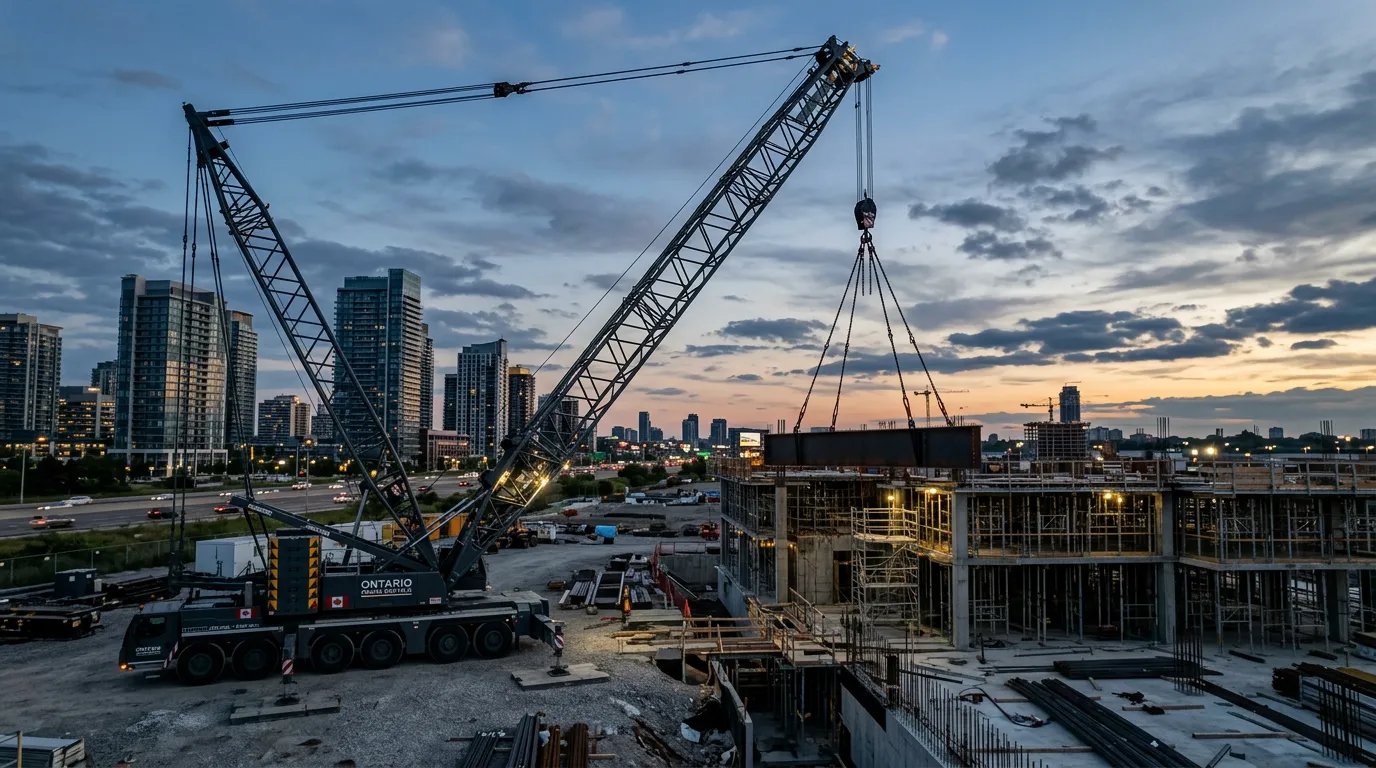
Work begins before the crane moves. The operator reviews the lift plan, then walks the site to check the ground, the access route and anything overhead. The crane is positioned, the outriggers are set and the ground under them is checked for stability. The load is rigged according to the plan, and a signal person confirms the path is clear. The operator lifts slowly at first to confirm the load is balanced and secure, then moves it to the landing spot. Once the load is set down and released, the rigging comes off and the crane is stowed. If wind picks up, the load swings unexpectedly or someone enters the work zone, the operator can stop and the plan is revisited before the lift resumes.
Share the lift details
Give the load weight, dimensions, lift height and landing spot.
Confirm the plan
Agree the crane, the sequence, the rigging method and who gives signals.
Run the lift
The operator sets up, lifts the load, places it and stows the crane.
Planned before the job
Every lift is pre-planned before the job starts.
Not tied up by disruptions
Oxford Crane is a non-union operation, so equipment and operators are not tied up by labour disruptions.
Equipment that is checked
Equipment is inspected daily by the hoisting engineers and annually by independent professional engineers.
A clean safety record
Oxford Crane has a zero lost-time safety record.
A look at your site first
We evaluate the job on site at no charge and pick the most economical, timely and safe machine.
Answered around the clock
We take calls and dispatch day and night, emergency service included.
Booked your way
Rentals are available daily, weekly and monthly, with your own certified operators or with a certified hoisting engineer.
Service areas
Job sites across Ontario.
Every lift depends on the ground, access and overhead hazards at the site where the crane will work.
Questions
Questions people ask first
A crane operator for hire runs the crane within its rated limits, follows a lift plan and takes signals from a person on the ground. Before booking, have the load weight, lift height, landing spot and ground conditions ready so the lift can be planned properly.
What training should a crane operator have?
An operator should be trained for the type of crane being used, since controls and load limits differ between machines. It is reasonable to ask for proof of that training before booking. Asking about experience with lifts similar to yours also shows whether the operator has handled a comparable load and landing spot.
How do I know if my site is ready for a crane?
A site is ready when the crane has room to park and extend its outriggers on firm, level ground and the access route is clear. Power lines, trees and buildings near the swing path also need checking. The operator can walk the site with you before the lift to confirm.
What information do I need to give before a lift?
Have the load weight, its dimensions, the lift height, the distance to the landing spot and the site conditions ready. These details let the operator judge which crane suits the job and plan the lift. A lift planned from real figures leaves less to guess once the crane is on site.
Who gives signals to the crane operator?
A designated signal person on the ground normally directs the operator, because the operator may not see the load or landing spot. Agree who that person is and which signals will be used before work starts. One clear voice reduces confusion while a load is moving.
Tell Us the Lift and Get a Matched Crane Quote
Share the load, the height and the site access, and we will come back with the crane that fits.